How to Remove Mould from Bathroom Silicone Sealant
October 08, 2026 - Bathroom


October 08, 2026 - Bathroom

October 07, 2026 - Kitchen
September 28, 2026 - Laundry
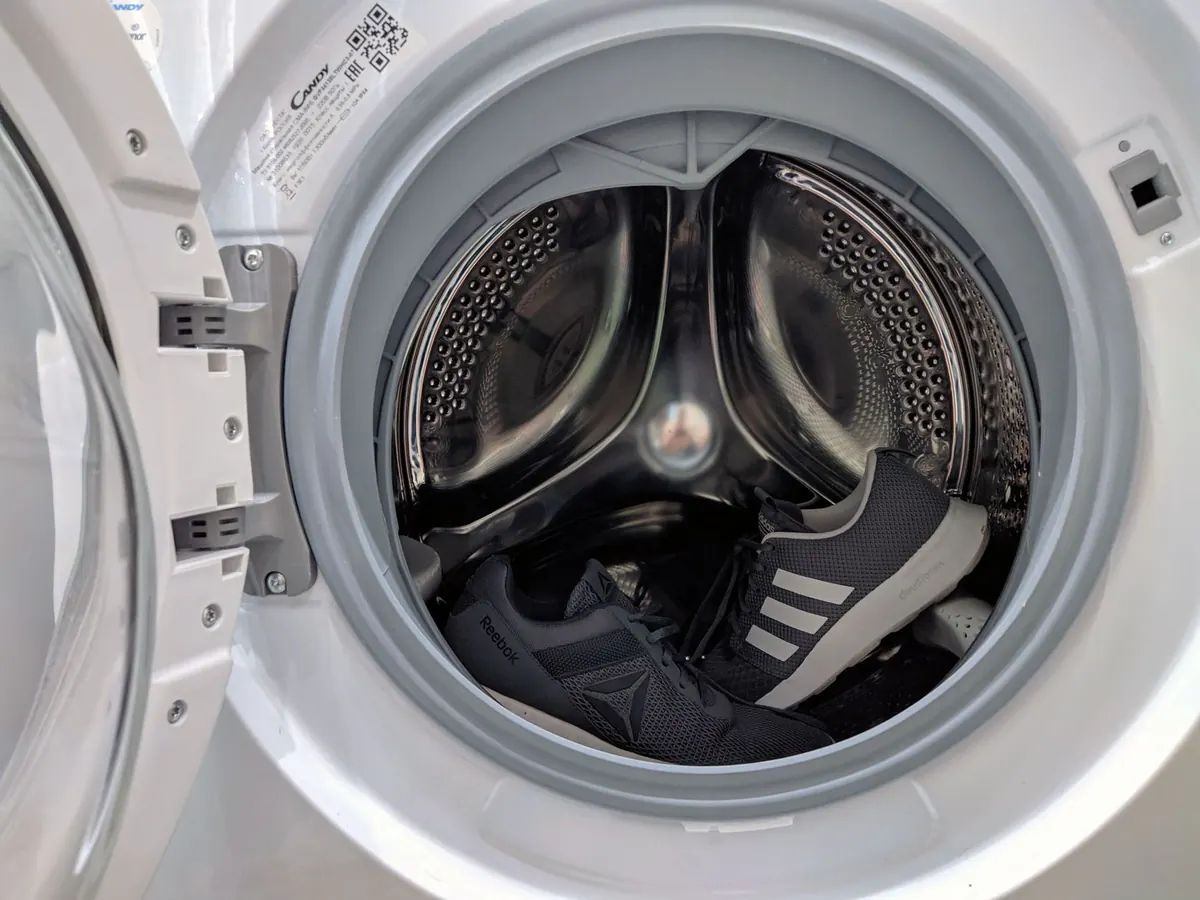
If your towels come out of the wash smelling faintly of damp cellar, or there is a dark tidemark along the inside of the door, the machine itself is the likely culprit. Washing machines clean clothes, but nothing cleans them automatically. Residue from detergent, fabric softener, body oils and lint builds up in the drum, behind the rubber seal and in the filter, and that film is what holds the smell.
The good news is that all three areas can be cleaned in about an hour with things you probably already own. No dismantling, no special tools, and no need to book an engineer unless something is genuinely broken.
Odour almost never comes from one place. It comes from three working together.
The drum collects a thin layer of soap scum that stays slightly damp between washes. The door seal, with its folded rubber lip, traps water, hair, coins and lint where you cannot see them. The filter, usually a pump trap at the bottom front of the machine, catches everything small enough to slip past the drum — and what it catches sits in stale water until you empty it.
Deal with one and the smell returns within a fortnight. Deal with all three and your wash performance usually improves too: cleaner water, better drainage, less residue transferred onto clothes.
Read your machine's manual before you start, particularly the section on cleaning. Some manufacturers advise against acidic cleaners such as vinegar because of the effect on seals, and following their guidance keeps your warranty intact. That two-minute check is worth it.
Mixing vinegar and bicarbonate of soda looks impressive but mostly produces fizz. For odour, use one or the other. Never mix bleach with vinegar or any acid — the fumes are genuinely harmful.
Open the door and pull the rubber lip gently away from the drum. This is where the worst of it hides.
Wipe inside the fold with warm soapy water, then go over the whole seal with a cloth dampened with diluted vinegar. Use the toothbrush for the crease where the rubber meets the frame. Rinse and dry it thoroughly — a wet seal grows mould faster than a dry one.
Black mould spots that will not shift can be treated with a mild bleach solution applied sparingly, with gloves on and the room ventilated, or with a seal-safe cleaner from the supermarket. Avoid abrasive powders and hard scrubbing, which shorten the life of the rubber. If the seal is split, perished or no longer sitting flush, replacement is a job for an engineer or a confident DIYer — a leaking seal can damage the machine's electronics.
On most front loaders the filter sits behind a small panel at the bottom front, sometimes hidden by the plinth. Top loaders often have a lint filter inside the drum instead, so check the manual.
Before you open anything, let the machine cool if it has just finished a hot wash, and put down towels and a shallow tray. Expect water, and quite a lot of it.
A filter full of hair is one of the most common causes of slow drainage and a machine that finishes a cycle with water still sitting in the drum.
Once a month for the hot maintenance wash, with the seal wiped as part of your usual routine. Empty the filter every three months, or monthly if you have pets, wash heavily soiled workwear or use a lot of fabric softener.
Daily habits matter as much as the deep clean. Leave the door and drawer ajar between washes so air can move through, dry the seal with a cloth after the last load of the day, and never leave wet washing sitting in the drum overnight.
Dosing is the other quiet culprit. In soft water areas, using the full dosage suggested for hard water leaves surplus soap in the drum. Measure properly, use powder occasionally instead of liquid, and cut back on softener.
If the machine still smells after two thorough cleans, or you notice leaks, error codes, a drum that will not turn or a burning smell, stop and call an engineer. Appliance repairs involve mains electricity and water, and if the machine is under warranty, opening it yourself can void your cover.
Otherwise, keep it simple: a hot wash once a month, the filter every few months, the seal wiped regularly, and the door left open to dry. That is the whole routine, and it is enough to keep the smell away and the wash performing as it should.
Photo: Andrey Matveev / Pexels
Black mould on bathroom silicone is common and often fixable. Here's how to clean it properly, and how to tell when...
Baked-on grease inside, streaks outside — a practical, step-by-step guide to softening, scraping and polishing oven...
October 08, 2026 - Bathroom
October 07, 2026 - Kitchen
Copyright © 2026 Gleam Page. All Right Reserved.