How to Remove Mould from Bathroom Silicone Sealant
October 08, 2026 - Bathroom


October 08, 2026 - Bathroom

October 07, 2026 - Kitchen
September 28, 2026 - Laundry
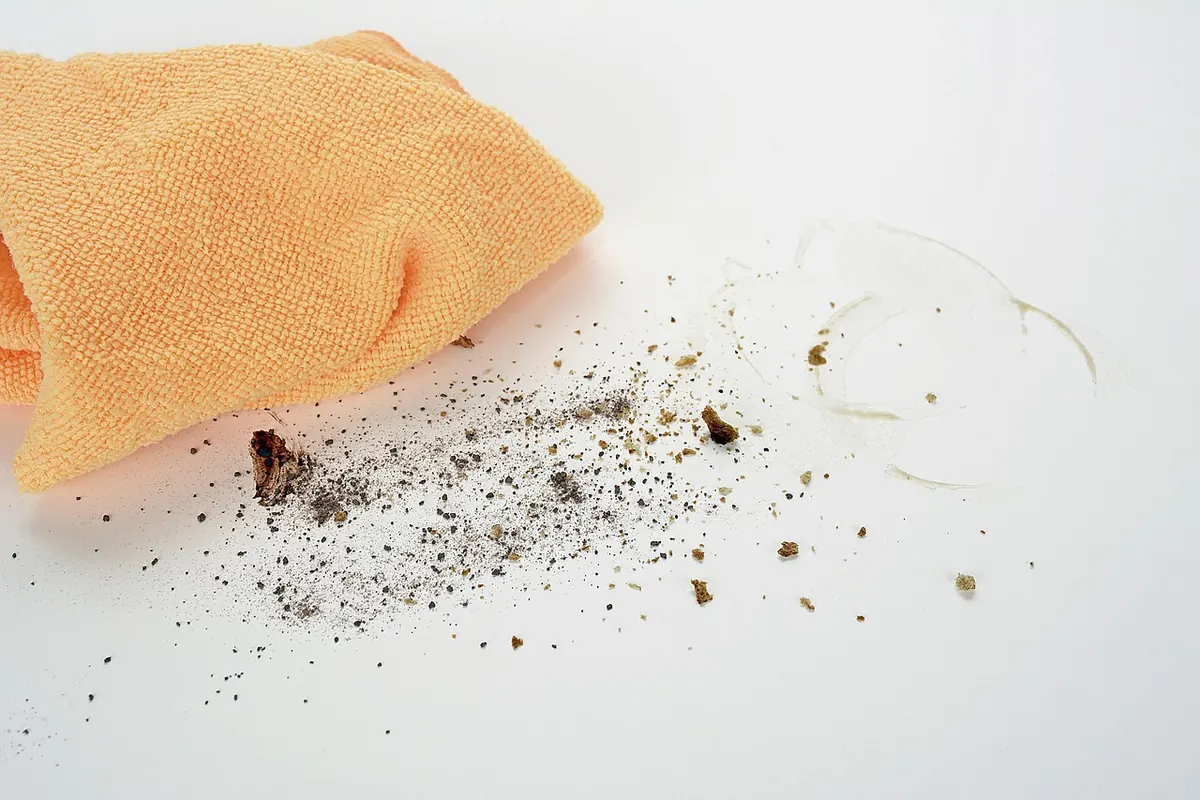
Reach for the wrong cloth and you will see it the moment the light hits the glass: a thin film of smears, a few stray fibres, a polish that looked flawless from one angle and dreadful from another. Microfibre and cotton both clean, and both deserve a place in a well-stocked cupboard, but they behave very differently on glass, wood and metal. Knowing which one to pick, and how to look after it, is the difference between one quick wipe and a frustrating second pass.
Microfibre is a synthetic cloth made from polyester and polyamide fibres that are split so finely they are a fraction of the width of a human hair. Those split fibres form tiny wedge shapes that scrape and lift rather than simply push, and the spaces between them trap water, oil and dust. That is why a microfibre cloth feels slightly grippy on a window and why it can polish a tap dry without leaving droplets behind.
Cotton is a natural fibre, spun into yarn and woven into a cloth with visible gaps in the weave. It absorbs by soaking, which makes it a superb cloth for spills, drying and buffing. It is soft, cheap to replace and forgiving on old or delicate surfaces. What it does not do is grip grease the way microfibre does, and it sheds fibres as it wears.
Cotton holds a lot of water in absolute terms, especially a thick tea towel, but it holds it loosely and needs wringing. Microfibre holds a surprising amount for its size and releases it when wrung, so you spend less time with wet hands. More importantly, microfibre picks up the oily part of grime, not just the watery part. Fingerprints, cooking films and polish residue are largely oils, and that is exactly what microfibre is good at removing.
In practice, the pairing matters more than the raw absorbency figure. For glass and glossy surfaces, use one damp microfibre cloth to remove the dirt and a second dry one to buff. The damp cloth lifts the film; the dry cloth takes away the last of the moisture before it can dry into streaks.
Lint is the most common reason a supposedly clean window looks smeary. New cotton cloths shed short fibres, and those fibres catch the light. A cotton towel that has been through dozens of washes sheds far less, which is why your oldest, softest tea towel often performs better than a brand new one.
Microfibre sheds almost nothing when it is new and clean. Its weakness is the opposite: it holds on to what it picks up. A microfibre cloth used on a greasy hob and then on a mirror will transfer a film rather than remove one. Keep separate cloths for greasy jobs and for glass.
Both cotton and microfibre are soft enough for almost any domestic surface. Scratches generally come from particles trapped in the cloth, not from the fibres themselves. Crumbs, sand, dried paint flecks and hardened food all sit in a cloth and get dragged across a surface under your hand.
There are a few sensible rules:
Microfibre traps grit deep in its fibres, which is good news while you are cleaning and bad news if you forget to rinse it. Cotton releases grit into the water more readily. Either way, a clean cloth is a scratch-free cloth.
Microfibre wins comfortably. Use a waffle-weave or glass-specific cloth with a light spray of water and a drop of washing-up liquid, or a dedicated glass cleaner. Wipe in overlapping strokes, then buff with a dry microfibre. A well-washed, tightly woven cotton cloth can dry glass, but press lightly and expect the occasional stray fibre.
Dust with a barely damp microfibre, then buff dry. Wood dislikes standing water, which can dull a finish and raise the grain, so the cloth should feel almost dry. For waxed or oiled furniture, a soft cotton cloth is ideal for working wax in and buffing it off, and it is easier to wash afterwards. Wax clogs microfibre and reduces its absorbency, so keep a wax cloth separate.
Stainless steel, chrome and taps come up best with microfibre. Wipe along the grain of brushed steel with a damp cloth and a little warm soapy water, then buff with a dry one in the same direction. Cotton tends to leave fluff on brushed finishes, which shows up badly under kitchen lighting.
A simple, workable cloth kit looks like this: two microfibre cloths for glass, one damp and one dry; a waffle-weave cloth for drying; a small stack of general-purpose microfibre for dusting; two or three clean cotton cloths for wax, spills and buffing; and separate cloths, ideally in a different colour, for floors and bathrooms.
Microfibre needs gentle treatment. Wash it at 30°C to 40°C, never add fabric softener or conditioner, and skip the bleach. Softener coats the fibres and leaves them smearing rather than absorbing, which is a common reason people give up on microfibre and assume it does not work. Wash microfibre separately from cotton, because cotton lint will cling to it, and air dry it or use a low tumble setting.
Cotton is more forgiving. A hot wash is fine, and a new cotton cloth benefits from a couple of washes before it goes anywhere near glass. Rinse obvious grit out of both types before they go in the machine, and never leave them sitting damp in a bucket, where they quickly develop a smell that survives the wash.
Replace cloths when they stop performing. Microfibre that has been used for wax, polish or oil will feel stiff and flat and will no longer dry a surface properly. Cotton that has gone thin and bobbly is better off in the rag bag.
Buy both, and use each for what it does best. Microfibre is the cloth for streak-free polishing: glass, mirrors, chrome, stainless steel, screens and anything glossy. Cotton is the cloth for absorbing spills, drying, buffing wax and handling finishes you would rather treat gently. If you only want to keep one type in the cupboard, make it microfibre, and buy enough of them that you always have a clean one to hand.
Whatever you choose, work in the same order every time: damp cloth first to lift the dirt, dry cloth second to buff it away, and a fresh cloth for every different job. That habit, more than any brand or blend, is what gives you a surface that looks clean from every angle.
Photo: anncapictures / Pixabay
Black mould on bathroom silicone is common and often fixable. Here's how to clean it properly, and how to tell when...
Baked-on grease inside, streaks outside — a practical, step-by-step guide to softening, scraping and polishing oven...
October 08, 2026 - Bathroom
October 07, 2026 - Kitchen
Copyright © 2026 Gleam Page. All Right Reserved.