How to Remove Mould from Bathroom Silicone Sealant
October 08, 2026 - Bathroom

October 08, 2026 - Bathroom
October 07, 2026 - Kitchen
September 28, 2026 - Laundry
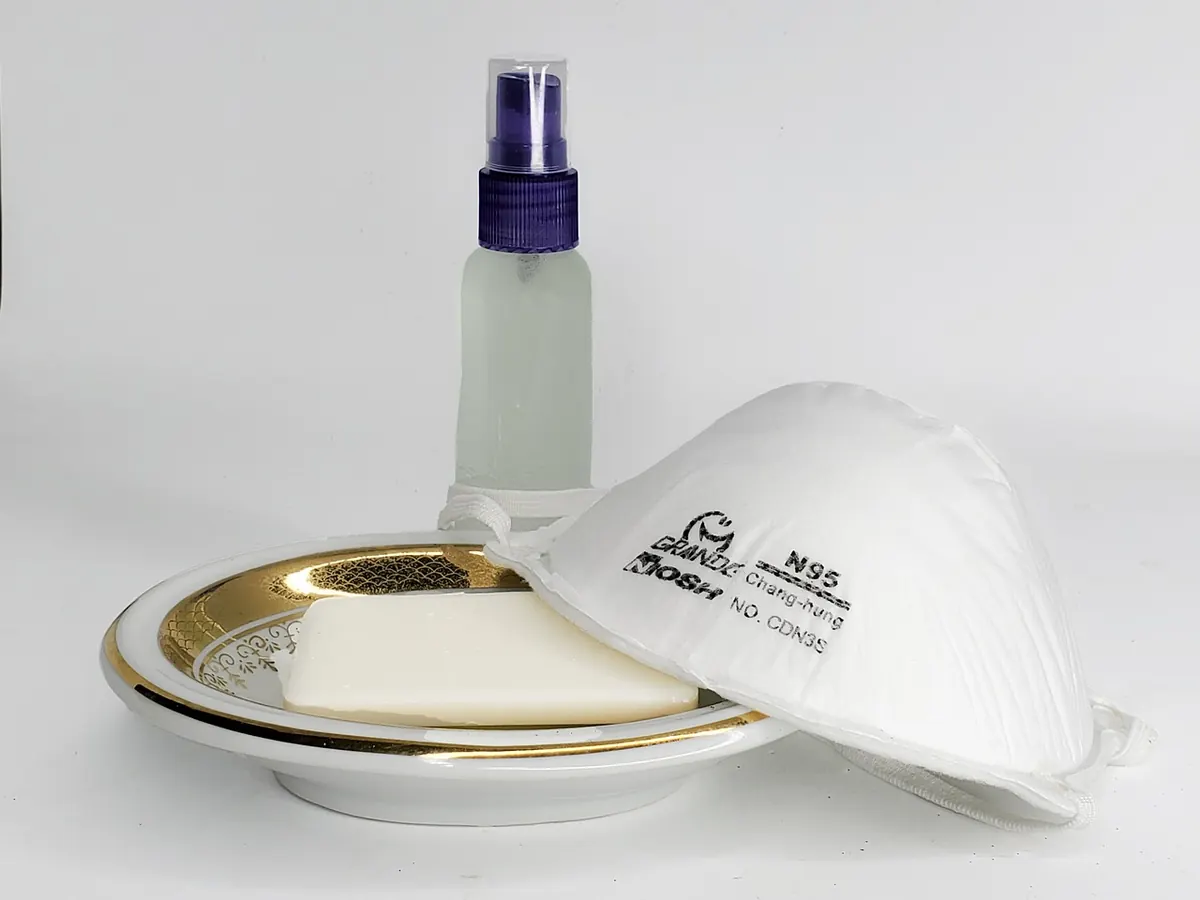
"I've cleaned it, so it's disinfected." It's a sentence most of us have thought at some point, usually while wiping a kitchen worktop with a damp cloth. But cleaning, sanitising and disinfecting are three separate jobs, with three different results. Mixing them up costs you time, wastes product, and can give a false sense of security in exactly the moments that matter — a sickness bug working its way through the household, or a new baby in the house. Getting the order right is what makes the difference.
Cleaning means removing what you can see: dust, crumbs, grease, body oils, soap scum and the sticky film that builds up around the kitchen bin. It's the soapy water, the scrubbing, the wringing out of a cloth. Detergents lift soil off a surface and hold it in the water so it can be wiped or rinsed away.
This matters more than it sounds, because germs rarely sit on a bare, spotless surface. They hide inside dirt, grease and dried-on food, which act as both a hiding place and a shield. Cleaning will carry plenty of germs away with the grime, but it isn't designed to kill them, and it doesn't claim to. What cleaning does brilliantly is prepare a surface so that whatever you use next can actually reach the germs and work properly.
If a surface is sticky, greasy or gritty, no sanitiser or disinfectant will perform as it should until it has been cleaned.
Sanitising reduces the number of germs on a surface to a level considered safe, rather than eliminating them entirely. For most homes, most of the time, that's exactly enough.
Think of sanitisers as the sensible middle ground: stronger than soap and water, gentler than a full disinfectant, and often the right choice for surfaces that come into contact with food or mouths. Kitchen worktops after handling raw meat or vegetables, the bathroom sink, a highchair tray, a changing mat, a chopping board that's just been scrubbed — these are sanitiser territory. If someone in the house is vulnerable to infection, sanitising the everyday touchpoints is a reasonable habit to build in alongside normal cleaning.
Disinfecting means using a chemical product to kill or inactivate the germs on a hard surface. It's a stronger claim than sanitising, and it's worth reserving for the situations that genuinely call for it: a stomach bug or flu in the house, a surface contaminated with bodily fluids, a pet accident, or the bathroom being shared with someone who is unwell.
Here's the part that trips people up. Disinfectants are designed for clean surfaces. Grease, dust and dried residue shield germs, so the active ingredient never gets to them. Spraying disinfectant onto a grimy surface and wiping it straight off is not disinfecting — it's a quick clean with an expensive product.
Every disinfectant has a contact time: the number of minutes the surface needs to stay visibly wet for the product to work as claimed. Some are as short as thirty seconds, others five or ten minutes. Read the label. If it dries within seconds, you've sanitised at best. Spray or wipe it on, leave it alone for the stated time, then wipe if the label tells you to — and rinse food-contact surfaces afterwards where advised.
You don't need a cupboard full of specialist bottles. A general-purpose detergent, a sanitiser for food areas, and one disinfectant for illness is a perfectly complete kit.
Bleach, diluted exactly as the label instructs, remains one of the most effective disinfectants for hard surfaces, but it damages some materials and must never be mixed with ammonia-based or acidic cleaners, as the fumes can be dangerous. Alcohol-based products need to stay wet to work, which is easy to get wrong on a warm day. Vinegar is a pleasant mild cleaner and a good descaler, but it isn't a disinfectant, so don't rely on it after a sickness bug.
Whichever you choose, ventilate the room, wear gloves if your skin is sensitive, keep everything out of reach of children and pets, and never decant a product into an unlabelled bottle. If someone in your household has a health condition that affects infection risk, it's worth asking a pharmacist or GP for advice tailored to them rather than guessing.
For most days, clean what you can see and sanitise the surfaces that touch food. Once a week, give the bathroom and kitchen a proper clean, then sanitise the handles, taps and worktops. When someone in the house is ill, step up to disinfecting the touchpoints they use — bathroom, door handles, light switches, taps, the remote control — and wash your hands after handling their bedding, towels and cups.
Once you start thinking in these three stages, cleaning becomes quicker and calmer. Clean first, then choose the mildest product that does the job, and give it the time it needs. That's the whole method, and it holds up whether you're dealing with a crumb-covered worktop or a household full of sneezing.
Photo: TechPhotoGal / Pixabay
Black mould on bathroom silicone is common and often fixable. Here's how to clean it properly, and how to tell when...
Baked-on grease inside, streaks outside — a practical, step-by-step guide to softening, scraping and polishing oven...
October 08, 2026 - Bathroom
October 07, 2026 - Kitchen
Copyright © 2026 Gleam Page. All Right Reserved.